How to Price Your Home Right for a Faster More Successful Sale
- Jul 22
- 8 min read
Price too high, and buyers scroll past. Price too low, and money gets left on the table. The right price does more than attract attention. It creates urgency, builds trust, and helps the sale move faster.
Pricing is part math, part market reading, and part buyer psychology. Use this guide to set a price that is competitive, realistic, and built for a successful sale.

1. Study the local market first
A home’s value comes from the market around it. Not from what was paid for it. Not from the mortgage balance. Not from what a neighbor said at a cookout.
Start with local market trends. Look at what buyers are doing right now in the area.
Focus on:
Recent sale prices
Days on market
Number of active listings
Number of price reductions
Mortgage rate movement
Seasonal demand
Local school calendars
New construction nearby
Inventory in the same price range
A seller’s market usually has low inventory and faster sales. Buyers compete for fewer homes. In that case, a strong price may still draw offers.
A buyer’s market has more listings and slower activity. Buyers have choices. Overpricing becomes more costly.
A balanced market sits in the middle. Clean homes with fair prices sell. Homes with inflated prices sit.
Look at sold homes, not just active listings. Active listings show what sellers hope to get. Sold listings show what buyers agreed to pay.
Pending listings can also help. They show current demand, but the final sale price may not be public yet. Use them as signals, not proof.
Pricing Your Home Correctly starts with this simple question: What are buyers already paying for homes like this one, in this area, right now?
2. Compare your home to similar properties
Comparable sales, often called comps, are the backbone of smart pricing. A comp is a recent sale that closely matches the home being priced.
The best comps are close in:
Location
Square footage
Home style
Age
Condition
Lot size
Number of bedrooms and bathrooms
Garage or parking setup
School district
Property type
A three-bedroom ranch should not be compared to a five-bedroom custom home. A condo with high monthly HOA fees should not be compared to a detached home with no HOA. A renovated home should not be priced like a similar floor plan that needs major repairs.
Distance matters too. In dense areas, good comps may come from the same building, block, or subdivision. In rural areas, the search area may need to be wider.
Timing also matters. A sale from two years ago may not reflect current buyer demand. In most cases, recent sales carry more weight.

Make honest adjustments
No two homes are identical. Adjust for real differences.
A finished basement may add value. A newer roof may help. An updated kitchen can matter. So can a busy road, dated bathrooms, old carpet, or limited parking.
Be careful with upgrades. Sellers often overvalue them.
A $25,000 kitchen update does not always raise the sale price by $25,000. Buyers respond to condition, style, and usefulness. They do not reimburse every improvement dollar for dollar.
Look at improvements through the buyer’s eyes.
Ask:
Does this feature make daily life easier?
Does it remove a future expense?
Does it make the home feel move-in ready?
Does it match what nearby buyers expect?
If the answer is yes, it may support a higher price. If the answer is no, it may not move the number much.
3. Understand buyer psychology
Buyers do not review prices like accountants. They react fast.
Most begin online. They set filters by price, location, bedrooms, and home type. If a home appears overpriced, they may never click. If the photos look good but the price feels too high, they may save it and wait for a price cut.
The first days on the market matter. That is when the listing feels fresh. Buyers and agents notice it. A fair price can create showings, offers, and momentum.
An inflated price can do the opposite.
Once a home sits too long, buyers start asking questions.
They may think:
What is wrong with it?
Why has no one bought it?
Will the seller take less?
Should we wait for another price drop?
Even if the home is in great shape, time on market can create doubt.
Use price brackets wisely
Search filters shape buyer behavior. A home listed at $505,000 may miss buyers searching up to $500,000. A home listed at $499,000 may appear in more searches.
That does not mean every price should end in 9. It means pricing should account for how buyers search.
Common search bands often fall at round numbers, such as:
$300,000
$350,000
$400,000
$450,000
$500,000
$600,000
If the home sits near a key price band, choose carefully. A small difference can change who sees the listing.
Do not rely on room to negotiate
Many sellers list high because they expect buyers to negotiate. That plan can backfire.
Buyers may not see a high price as an invitation. They may see it as a warning. Some will skip the home rather than risk a difficult negotiation.
A better approach is to price close to market value and create a reason for buyers to act. Strong demand gives the seller more control than wishful pricing.
4. Avoid common pricing mistakes
Pricing mistakes are expensive because they waste time. They can also lead to lower offers later.
Here are the mistakes to watch.
Pricing based on what you need to net
A buyer does not care about the seller’s next down payment, moving costs, or loan balance. The market sets the value.
It is fine to know the target net amount. Just do not use it as the pricing method.
Copying a neighbor’s asking price
A nearby listing can help, but it is not proof of value. The neighbor may be overpriced. Their home may have upgrades or problems that are not obvious.
Sold data is stronger than asking price.
Ignoring condition
Condition affects price. A clean, well-maintained home gives buyers confidence. Deferred maintenance creates hesitation.
Fresh paint, working systems, clean spaces, and simple repairs can support a stronger price. Major issues should be reflected in the pricing strategy.

Chasing the market down
This happens when a home starts too high, sits, drops, sits again, and drops again. Each reduction follows the market instead of leading it.
The final sale price may end up lower than what a good launch price could have achieved.
Overvaluing online estimates
Online estimates can be useful starting points. They are not final answers. They may miss renovations, condition, lot quality, views, noise, layout, and local demand.
Use them as one input. Do not build the full pricing plan around them.
Letting emotion set the number
A home can hold years of memories. Buyers are not purchasing those memories. They are comparing space, condition, location, payment, and alternatives.
Emotion is normal. Pricing should still be based on evidence.
5. Get a professional appraisal when it makes sense
A professional appraisal gives an independent opinion of value. Appraisers review the property, compare recent sales, and make adjustments based on features and market data.
An appraisal can help when:
The home is unusual
There are few recent comps
The market is changing fast
The property has major upgrades
The home sits on acreage
The seller and agent disagree on value
An estate, divorce, or legal matter requires documentation
A pre-listing appraisal is not required for every sale. Many sellers can price well with a strong comparative market analysis from an experienced real estate agent.
But an appraisal can add clarity. It can also help reduce emotional pricing.
Know what an appraisal can and cannot do
An appraisal is a professional opinion, not a guaranteed sale price. The market can still respond higher or lower.
A lender’s appraisal may also occur after the buyer makes an offer. If the appraisal comes in below the contract price, the deal may need renegotiation unless the buyer can cover the gap.
That is another reason to price with care. A strong offer means less if it cannot survive appraisal and financing.
6. Build a pricing range before choosing the list price
Do not jump straight to one number. Build a range first.
Use three levels.
Price level | What it means | Best use |
Low end | Likely to draw strong attention fast | Useful when speed matters |
Market value | Supported by the best comps | Best starting point for most homes |
High end | Requires excellent condition or low competition | Use with caution |
This range keeps the decision grounded. It also helps plan the next move if showings are weak.
A good pricing conversation should answer:
What price will attract the right buyers?
What price could create multiple offers?
What price is too high for the current market?
How long should the seller wait before adjusting?
What feedback will trigger a price change?
Set these rules before listing. It prevents panic later.
Watch showing activity
Showing activity is feedback.
If the home gets many showings but no offers, buyers may like the home but reject the price or terms.
If the home gets few showings, the price may be too high for online search results, location, condition, or competition.
If no one is clicking, the issue may be price, photos, presentation, or the listing details.
Do not wait too long to respond. Early data is useful.
7. Price for the buyer’s monthly payment
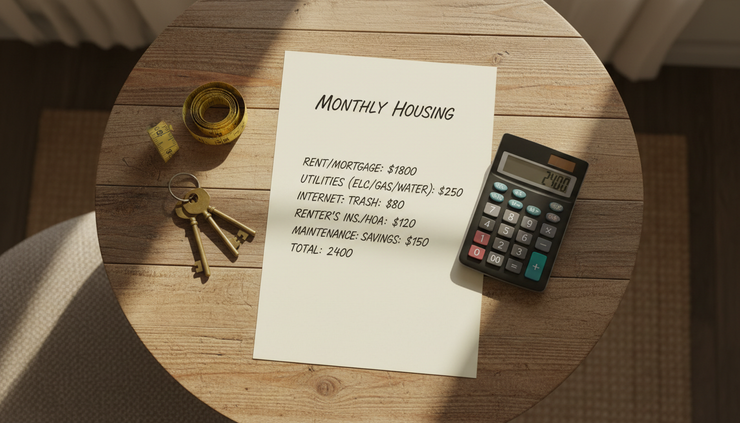
Buyers care about price, but they also care about payment. Mortgage rates, taxes, insurance, HOA fees, and repairs all shape affordability.
A buyer comparing two homes at the same price may choose the one with lower ongoing costs. A high property tax bill or steep HOA fee can reduce how much buyers are willing to pay.
This is common for first-time mortgage applicants. They often shop by monthly payment, not just purchase price.
A small price difference can push a payment above a buyer’s comfort level. That can move the home out of reach.
This does not mean the seller needs to underprice. It means the price should make sense next to the full cost of ownership.
8. Recheck the price right before listing
Markets change. A price that looked right three weeks ago may need a final review.
Before the listing goes live, check:
New competing homes
Recent pending sales
Recent closed sales
Price reductions nearby
Mortgage rate changes
Local buyer activity
Feedback from pre-market showings, if any
If three similar homes hit the market at lower prices, adjust. If competing inventory disappears, the price may have more room.
The goal is not to set the highest possible asking price. The goal is to find the price that creates the strongest real result.
A good result may mean:
More qualified showings
Faster offers
Stronger terms
Fewer appraisal issues
Less time carrying the property
A smoother closing
FAQ
How do I know if my home is overpriced?
Low showing activity is the first warning sign. Many showings with no offers is another. If similar homes are going pending while yours sits, the price likely needs attention.
Should I price my home below market value to create a bidding war?
Sometimes, but it carries risk. This works best in a hot market with low inventory and strong buyer demand. In a slower market, underpricing may not create enough competition.
How much do upgrades affect home value?
Upgrades help when buyers value them and the work fits the neighborhood. Kitchens, bathrooms, roofs, HVAC systems, and curb appeal often matter. Custom features may not add as much as the seller expects.
Is a real estate agent’s pricing opinion enough?
Often, yes. A strong agent can prepare a comparative market analysis using recent sales, active competition, and local demand. A professional appraisal can help when the property is unusual or hard to compare.
When should I reduce the price?
If the home has weak traffic, poor feedback, or no offers after the first major wave of buyers has seen it, review the price. The right timing depends on the market, but waiting too long can make the listing feel stale.

The right price creates momentum
A strong sale starts before the first showing. It starts with a price that matches the market and respects how buyers make decisions.
Study current local trends. Compare true comps. Account for condition. Think about search filters and monthly payments. Avoid emotional pricing. Use an appraisal when the property needs another layer of support.
This content is for informational purposes only and is not financial, legal, or real estate advice. For a pricing decision, work with qualified local professionals who understand the market.
The right price does not just help a home sell faster. It helps the sale hold together from offer to closing.