
Escrow Explained A Simple Guide to the Real Estate Process
- 5 days ago
- 5 min read
Escrow keeps a real estate deal from turning into a handshake and a hope. It protects the buyer, the seller, and the lender while money, documents, inspections, and deadlines move toward closing.
This guide is informational only. Real estate rules can vary by state, county, and contract.

What escrow means in real estate
Escrow is a neutral holding arrangement. A third party holds money, documents, or property instructions until everyone completes the agreed steps.
In a home purchase, escrow often begins after the buyer and seller sign a purchase agreement. The buyer may deposit earnest money. The seller agrees to take the home off the market under the terms of the contract. The escrow holder tracks what must happen before the sale can close.
Think of escrow as a referee with a locked box.
The referee does not take sides. The locked box holds the buyer’s deposit, closing documents, and final instructions. Nothing gets released until the contract says it can.
Example:
A buyer offers $400,000 for a home and submits a $10,000 earnest money deposit. The seller accepts. The deposit does not go directly to the seller. It goes into escrow. If the deal closes, that money usually applies toward the buyer’s costs. If the deal falls apart, the contract decides who gets it.
Why escrow matters
Real estate transactions involve large sums of money and many moving parts. Escrow adds structure.
It helps protect each side in clear ways:
The buyer
The buyer gets time to inspect the home, review disclosures, secure financing, and confirm title before funds are released.
The seller
The seller knows the buyer has deposited money and must meet contract deadlines.
The lender
The lender can confirm that loan documents, title requirements, and insurance needs are complete before funding.
The transaction
Escrow creates a record of instructions, payments, documents, and timelines.
Without escrow, a buyer might hand over money before getting proper title. A seller might sign documents before knowing funds are available. Escrow reduces those risks.
Step one is opening escrow
Escrow opens after the purchase agreement is signed. The real estate agents, buyer, seller, or closing company send the contract to the escrow holder.
The escrow holder then creates a file for the transaction. This file includes the purchase price, deposit amount, deadlines, buyer and seller names, property address, and closing date.
The buyer usually sends the earnest money deposit soon after escrow opens. The contract will state the deadline.
Example:
A contract says the buyer must deposit $7,500 within three business days after acceptance. The buyer wires the funds or delivers a check to the escrow company. The escrow holder confirms receipt and records the deposit in the file.

The escrow agent keeps the process on track
The escrow agent, also called an escrow officer or settlement agent in some areas, acts as a neutral party. This person follows the written instructions in the purchase contract and closing documents.
The escrow agent does not negotiate price. The agent does not decide who is right in a dispute. The job is to handle the process and release funds or documents only when the rules are met.
Common escrow agent tasks include:
Holding the earnest money deposit
Ordering or coordinating title work
Collecting payoff information for the seller’s existing mortgage
Preparing estimated and final closing statements
Coordinating signed documents
Receiving buyer funds and lender funds
Disbursing money after closing
Sending documents for recording when required
Example:
The seller still owes money on the home. The escrow agent requests a payoff statement from the seller’s lender. At closing, part of the buyer’s funds will pay off that loan. The rest goes to the seller after approved costs and fees are paid.
The middle of escrow is where the details get handled
Most of the escrow process happens between contract acceptance and closing day. This stage can feel quiet, but a lot is happening.
The buyer completes inspections
The buyer may schedule a general home inspection, pest inspection, roof inspection, or other checks allowed by the contract.
Example:
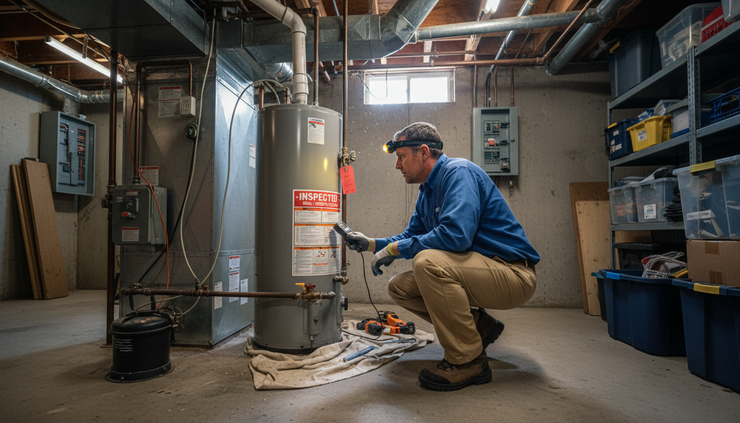
An inspection finds a leaking water heater. The buyer asks the seller to repair it before closing or offer a credit. If both sides agree in writing, escrow receives the updated instruction.
The lender reviews the loan
If the buyer uses a mortgage, the lender reviews income, credit, appraisal, title, insurance, and loan conditions.
Example:
The lender orders an appraisal to confirm the home supports the loan amount. If the appraisal comes in low, the buyer and seller may need to renegotiate, or the buyer may need to bring more cash.
The title company checks ownership
Title work helps confirm that the seller can transfer ownership and that liens or claims are handled.
Example:
A title search shows an old contractor lien. That issue must be cleared before the buyer receives clean title. Escrow helps coordinate payment, release, or required documents.
Closing escrow finishes the transaction
Closing happens when all required steps are complete. The buyer signs loan and closing documents. The seller signs transfer documents. The buyer’s lender sends funds, if a loan is involved. The buyer also sends any remaining cash needed to close.
The escrow agent reviews the file and confirms that all required money and documents are in place. Then funds are disbursed under the contract and closing statement.
Typical closing payments may include:
Seller proceeds
Existing mortgage payoff
Real estate commissions
Property taxes or prorations
Title and escrow fees
Recording fees
Lender fees, when applicable
After the deed is recorded with the county, ownership transfers to the buyer. In many states, keys are released after recording. In other areas, timing can differ based on local custom and the contract.
Example:
The buyer signs documents on Monday. The lender funds the loan on Tuesday. The deed records with the county that afternoon. Escrow then sends the seller’s payoff, pays approved fees, and releases the seller’s net proceeds. The buyer receives keys under the contract terms.
Common escrow problems and how they get resolved
Escrow can slow down when a condition is missing or unclear.
Common issues include:
The buyer’s loan approval takes longer than expected
Inspection repairs are not finished on time
The appraisal comes in below the purchase price
Title shows a lien, judgment, or ownership issue
The buyer’s final funds are delayed
A document has a missing signature or incorrect name
Most problems get solved through written agreement, corrected documents, or extended deadlines. The key is fast communication. Escrow can only follow written instructions. Verbal promises are not enough.
FAQ
How long does escrow take?
Many financed purchases take about 30 to 45 days. Cash purchases can close faster. Timing depends on the contract, loan, inspections, title work, and local process.
Who chooses the escrow company?
This varies by market and contract. In some areas, the buyer often chooses. In others, the seller or real estate agents may help select the escrow or title company.
Can escrow fall through?
Yes. A deal can fail if financing is denied, inspections reveal major issues, title cannot be cleared, or a party misses a required deadline. The contract controls what happens next.
Is earnest money always refundable?
No. Refundability depends on the contract and the reason for cancellation. Contingencies and deadlines matter. Read the agreement closely before signing.
The main takeaway
Escrow is the system that helps a real estate deal close safely. It holds funds, tracks instructions, coordinates documents, and makes sure conditions are met before money changes hands.
A smooth escrow starts with a clear contract and steady communication. If you are planning to buy or sell, get guidance early so the process feels less stressful from offer to closing. For help with your next move, contact Kim Foster’s Homes.


