How to Improve Your Credit Before Buying
- Jul 8
- 3 min read
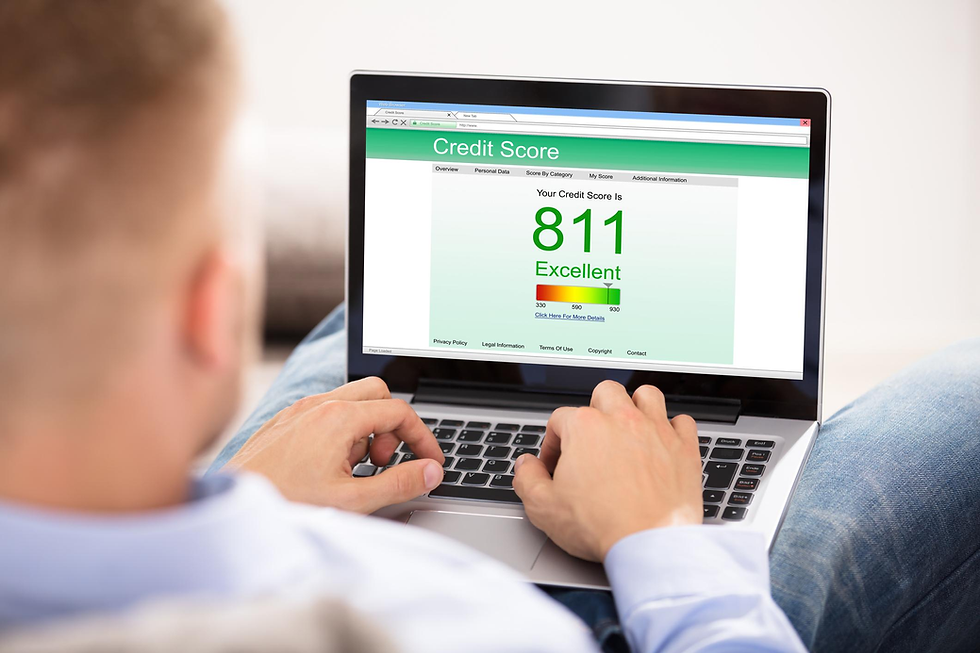
Your credit score plays a major role in determining whether you qualify for a mortgage and what interest rate you'll receive. Even a small improvement in your credit score can save thousands of dollars over the life of a home loan. If you're planning to buy a home, taking steps to strengthen your credit profile can improve your borrowing power and lower your monthly payments.
Why Your Credit Score Matters
Lenders use your credit score to evaluate risk. Higher scores generally lead to:
Lower mortgage interest rates
Better loan options
Lower monthly payments
Easier loan approval
Reduced borrowing costs over time
1. Check Your Credit Report
Start by reviewing your credit reports for accuracy.
Look for:
Incorrect account information
Duplicate accounts
Fraudulent activity
Incorrect late payments
Disputing errors can sometimes result in a quick score improvement.
2. Pay All Bills on Time
Payment history is one of the most important factors affecting your credit score.
Best practices:
Set up automatic payments
Use payment reminders
Pay at least the minimum amount due
Even one late payment can negatively impact your score.
3. Reduce Credit Card Balances
Credit utilization measures how much of your available credit you're using.
Aim to keep utilization:
Below 30%
Ideally below 10% for the best results
Paying down balances is often one of the fastest ways to improve a credit score.
4. Avoid Opening New Credit Accounts
When preparing for a mortgage:
❌ Avoid new credit cards
❌ Avoid financing vehicles
❌ Avoid personal loans
New credit inquiries and additional debt can temporarily lower your score and affect mortgage qualification.
5. Keep Older Accounts Open
Length of credit history matters.
Unless there's a compelling reason to close an account, keeping older accounts open may help strengthen your credit profile.
6. Pay Down Existing Debt
Reducing overall debt improves your debt-to-income ratio and demonstrates financial responsibility.
Focus on:
Credit cards
Personal loans
High-interest debt
Lower debt levels can improve both your credit score and mortgage eligibility.
7. Avoid Missing Payments During the Mortgage Process
Once you begin applying for a mortgage:
Continue making all payments on time
Avoid large purchases
Maintain stable bank balances
Keep credit usage low
Lenders may review your finances again before closing.
8. Build Credit Responsibly
If your credit history is limited:
Use a secured credit card responsibly
Become an authorized user on a trusted family member's account
Maintain low balances
Make consistent payments
Building positive credit history takes time but can significantly improve future borrowing opportunities.
9. Monitor Your Progress
Track your credit score regularly to:
Measure improvements
Identify problems early
Prepare for mortgage applications
Many banks and financial institutions provide free credit monitoring tools.
Common Credit Mistakes to Avoid
❌ Missing payments
❌ Maxing out credit cards
❌ Applying for multiple loans at once
❌ Closing old accounts unnecessarily
❌ Ignoring errors on credit reports
❌ Co-signing loans before buying a home
Quick Credit Improvement Checklist
✅ Review your credit reports
✅ Dispute any errors
✅ Pay every bill on time
✅ Reduce credit card balances
✅ Keep utilization below 30%
✅ Avoid new debt
✅ Maintain older accounts
✅ Monitor your credit regularly
Final Thoughts
Improving your credit before buying a home can increase your chances of approval, help you secure better mortgage terms, and save you thousands of dollars in interest. By focusing on timely payments, reducing debt, and managing credit responsibly, you can strengthen your financial position and move closer to achieving your homeownership goals.